Address reprint requests to Dr. Anand at the Department of Anesthesia, Children's Hospital, 300 Longwood Ave., Boston, MA 02115.
THE evaluation of pain in the human fetus and neonate is difficult because pain is generally defined as a subjective phenomenon.1 Early studies of neurologic development concluded that neonatal responses to painful stimuli were decorticate in nature and that perception or localization of pain was not present.2 Furthermore, because neonates may not have memories of painful experiences, they were not thought capable of interpreting pain in a manner similar to that of adults.3-5 On a theoretical basis, it was also argued that a high threshold of painful stimuli may be adaptive in protecting infants from pain during birth.6 These traditional views have led to a widespread belief in the medical community that the human neonate or fetus may not be capable of perceiving pain.7,8+
Strictly speaking, nociceptive activity, rather than pain,should be discussed with regard to the neonate, because pain is a sensation with strong emotional associations. The focus on pain perception in neonates and confusion over its differentiation from nociceptive activity and the accompanying physiologic responses have obscured the mounting evidence that nociception is important in the biology of the neonate. This is true regardless of any philosophical view on consciousness and pain perception in newborns. In the literature, terms relating to pain and nociception are used interchangeably; in this review, no further distinction between the two will generally be made.
One result of the pervasive view of neonatal pain is that newborns are frequently not given analgesic or anesthetic agents during invasive procedures, including surgery.9-19 Despite recommendations to the contrary in textbooks on pediatric anesthesiology, the clinical practice of inducing minimal or no anesthesia in newborns, particularly if they are premature, is widespread.9-19 Unfortunately, recommendations on neonatal anesthesia are made without reference to recent data about the development of perceptual mechanisms of pain and the physiologic responses to nociceptive activity in preterm and full-term neonates. Even Robinson and Gregory's landmark paper demonstrating the safety of narcotic anesthesia in preterm neonates cites philosophic objections rather than any physiologic rationale as a basis for using this technique.20 Although methodologic and other issues related to the study of pain in neonates have been discussed,21-23 the body of scientific evidence regarding the mechanisms and effects of nociceptive activity in newborn infants has not been addressed directly.
ANATOMICAL AND FUNCTIONAL REQUIREMENTS FOR PAIN PERCEPTION
The neural pathways for pain may be traced from sensory receptors in the skin to sensory areas in the cerebral cortex of newborn infants. The density of nociceptive nerve endings in the skin of newborns is similar to or greater than that in adult skin.24 Cutaneous sensory receptors appear in the perioral area of the human fetus in the 7th week of gestation; they spread to the rest of the face, the palms of the hands, and the soles of the feet by the 11th week, to the trunk and proximal parts of the arms and legs by the 15th week, and to all cutaneous and mucous surfaces by the 20th week.25,26 The spread of cutaneous receptors is preceded by the development of synapses between sensory fibers and interneurons in the dorsal horn of the spinal cord, which first appear during the sixth week of gestation.27,28 Recent studies using electron microscopy and immunocytochemical methods show that the development of various types of cells in the dorsal horn (along with their laminar arrangement, synaptic interconnections, and specific neurotransmitter vesicles) begins before 13 to 14 weeks of gestation and is completed by 30 weeks.29
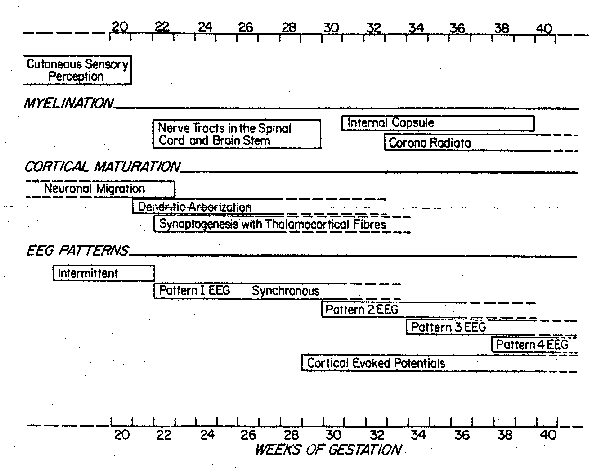
Lack of myelination has been proposed as an index of the lack of maturity in the neonatal nervous system30 and is used frequently to support the argument that premature or full-term neonates are not capable of pain perception.9-19 However, even in the peripheral nerves of adults, nociceptive impulses are carried through unmyelinate (C-polymodal) and thinly myelinated (A-delta) fibers.31 Incomplete myelination merely implies a slower conduction velocity in the nerves or central nerve tracts of neonates, which is offset completely by the shorter interneuron and neuromuscular distances traveled by the impulse.32 Moreover, quantitative neuroanatomical data have shown that nociceptive nerve tracts in the spinal cord and central nervous system undergo complete myelination during the second and third trimesters of gestation. Pain pathways to the brain stem and thalamus are completely myelinated by 30 weeks; whereas the thalamocortical pain fibers in the posterior limb of the internal capsule and corona radiata are myelinated by 37 weeks.33
Development of the fetal neocortex begins at 8 weeks gestation, and by 20 weeks each cortex has a full complement of 10⁹ neurons.34 The dendritic processes of the cortical neurons undergo profuse arborizations and develop synaptic targets for the incoming thalamocortical fibers and intracortical connections.35,36 The timing of the thalamocortical connection is of crucial importance for cortical perception, since most sensory pathways to the neocortex have synapses in the thalamus. Studies of primate and human fetuses have shown that afferent neurons in the thalamus produce axons that arrive in the cerebrum before mid-gestation. These fibers then wait just below the neocortex until migration and dendritic arborization of cortical neurons are complete and finally establish synaptic connections between 20 and 24 weeks of gestation (Fig. 1).36-38
Functional maturity of the cerebral cortex is suggested by fetal and a neonatal electroencephalographic patterns, studies of cerebral metabolism, and the behavioral development of neonates. First, intermittent electroencephalograpic bursts in both cerebral hemispheres are first seen at 20 weeks gestation; they become sustained at 22 weeks and bilaterally synchronous at 26 to 27 weeks.39 By 30 weeks, the distinction between wakefulness and sleep can be made on the basis of electroencephalo- graphic patterns.39,40 Cortical components of visual and auditory evoked potentials have been recorded in preterm babies (born earlier than 30 weeks of gestation),40,41 whereas olfactory and tactile stimuli may also cause detectable changes in electroencephalograms of neonates.40,42 Second, in vivo measurements of cerebral glucose utilization have shown that maximal metabolic activity in located in sensory areas of the brain in neonates (the sensorimotor cortex, thalamus, and mid brain- brain-stem regions), further suggesting the functional maturity of these regions.43 Third, several forms of behavior imply cortical function during fetal life. Well-defined periods of quiet sleep, active sleep, and wakefulness occur in utero beginning at 28 weeks of gestation.44 In addition to the specific behavioral responses to pain described below, preterm and full-term babies have various cognitive, coordinative, and associative capabilities in response to visual and auditory stimuli, leaving no doubt about the presence of cortical function.45
Several lines of evidence suggest that the complete nervous system is active during prenatal development and that detrimental and developmental changes in any part would affect the entire system.25,26,42,46 In studies in animals, Ralston found that somatosensory neurons of the neocortex respond to peripheral noxious stimuli and proposed that it does not appear necessary to postulate a subcortical mechanism for appreciation of pain in the fetus or neonate.47 Thus, human newborns do have the anatomical and functional components required for the perception of painful stimuli. Since these stimuli may undergo selective transmission, inhibition, or modulation by various neurotransmitters, the neurochemical mechanisms associated with pain pathways in the fetus and newborn are considered below.
Figure 1: Schematic Diagram of the Development of Cutaneous Sensory Perception,25 Myelination of the Pain Pathways,32 Maturation of the Fetal Neocortex,33-37 and Electroencephalographic Patterns38-40 in the Human Fetus and Neonate.
NEUROCHEMICAL SYSTEMS ASSOCIATED WITH PAIN PERCEPTION
The Tachykinin System
Various putative neurotransmitters called the tachykinins (substance P, neurokinin A, neuromedin K, and so forth) have been identified in the central nervous system, but only substance P has been investigated thoroughly and shown to have a role in the transmission and control of pain impulses.48-56 Neural elements containing substance P and its receptors appear in the dorsal-root ganglia and dorsal horns of the spinal cord at 12 to 16 weeks of gestation.57 A high density of substance P fibers and cells have been observed in multiple areas of the fetal bran stem associated with pathways for pain perception and control and visceral reactions to pain.58-63 Substance P fibers and cells have also been found in the hypothalamus, mamillary bodies, thalamus, and cerebral cortex of human fetuses early in the development.58 Many studies have found higher densities of substance P and it receptors in neonates than in adults of the same species, although the importance of this finding is unclear.61,64-68
The Endogenous Opioid System
With the demonstration of the existence of stereospecific opiate receptors69,70 and their endogenous ligands,71 the control of pain was suggested as a primary role for the endogenous opioid system.72 Both the enkephalinergic and the endorphinergic systems may modulate pain transmission at spinal and supraspinal levels.56,73 In the human fetus, however, there are no data on the ontogeny and distribution of specific cells, fibers, and receptors (mu-, delta-, and kappa opiate receptors) that are thought to mediate the antinociceptive effects of exogenous and endogenous opioids.74 However, functionally mature endorphinergic cells in fetal pituitary glands have been observed at 15 weeks of gestation and possibly earlier.75,76 Beta-endorphin and beta-lipotropin were found to be secreted from fetal pituitary cells at 20 weeks in response to in vitro stimulation by corticotropin- releasing factor.77 In addition, more production of beta-endorphin may occur in fetal and neonatal pituitary glands than in adult glands.78,79
Endogenous opioids are released in the human fetus at birth and in response to fetal and neonatal distress.80 Umbilical-cord plasma levels of beta-endorphin and beta-lipotropin from healthy full-term neonates delivered vaginally or by cesarean section have been shown to be three to five times higher than plasma levels in resting adults.78,81 Neonates delivered vaginally by breech presentation or vacuum extraction had further increases in beta-endorphin levels, indication beta-endorphin secretion in response to stress at birth.82 Plasma beta-endorphin concentrations correlated negatively with umbilical-artery pH and partial pressure of oxygen and positively with base deficit and partial pressure of carbon dioxide, suggesting that birth asphyxia may be a potent stimulus to the release of endogenous opioids.81,83-87 Cerebrospinal fluid levels of beta-endorphin were also increased markedly in newborns with apnea of prematurity,88-90 infections, or hypoxemia.83,91,92 These elevated values may have been caused by the stress of illness,93 the pain associated with these clinical conditions, or the invasive procedures required for their treatment. However, these high levels of beta-endorphin are unlikely to decrease anesthetic or analgesic requirements,94 because the cerebrospinal fluid levels of beta-endorphin required to produce analgesia in human adults have been found to be 10,000 times higher than the highest recorded levels in neonates.95
The high levels of beta-endorphin and beta-lipotropin in cord plasma decreased substantially by 24 hours after birth87,96 and reached adult levels by five days, whereas the levels in the cerebrospinal fluid fell to adult values in 24 hours.87,97,98 In newborn infants of women addicted to narcotics, massive increases in plasma concentrations of beta-endorphin, beta-lipotropin, and metenkephalin occurred within 24 hours, with some values reaching 1000 times those in resting adults. Markedly increased levels persisted for up to 40 days after birth.87 However, these neonates were considered to be clinically normal, and no behavioral effects were observed (probably because of the development of prenatal opiate tolerance).
PHYSIOLOGIC CHANGES ASSOCIATED WITH PAIN
Cardiorespiratory Changes
Changes in cardiovascular variables, transcutaneous partial pressure of oxygen, and palmar sweating have been observed in neonates undergoing painful clinical procedures. In preterm and full-term neonates undergoing circumcision99,100 or heel lancing,101-103 marked increases in the heart rate and blood pressure occurred during and after the procedure. The magnitude of changes in the heart rate was related to the intensity and duration of the stimulus104 and to the individual temperaments of the babies.105 The administration of local anesthesia to full-term neonates undergoing circumcision prevented the changes in heart rate and blood pressure,99,100,106 whereas giving a pacifier to preterm neonates during heel-stick procedures did not alter their cardiovascular or respiratory responses to pain.101 Further studies in newborn and older infants showed that noxious stimuli were associated with an increase in heart rate, whereas non-noxious stimuli (which elicited the attention or orientation of infants) caused a decrease in heart rate.22,107,108
Large fluctuations in transcutaneous partial pressure of oxygen above and below an arbitrary safe range of 50 to 100 mm Hg have been observed during various surgical procedures in neonates.109-111 Marked decreases in transcutaneous partial pressure of oxygen also occurred during circumcision,116-112 but such changes were prevented in neonates given local analgesic agents.100,106,112 Tracheal intubation in awake preterm and full-term neonates caused a significant decrease in transcutaneous partial pressure of oxygen, together with increases in arterial blood pressure113-115 and intracranial pressure.116 The increases in intracranial pressure with intubation were abolished in preterm neonates who were anesthetized.117 In addition, infants' cardiovascular responses to tracheal suctioning were abolished by opiate-induced analgesia.118
Palmar sweating has also been validated as a physiologic measure of the emotional state in full-term babies and has been closely related to their state of arousal and crying activity. Substantial changes in palmar sweating were observed in neonates undergoing heel-sticks for blood sampling, and subsequently, a mechanical method of heel lancing proved to be less painful than manual methods, on the basis of the amount of palmar sweating.120
Hormonal and Metabolic Changes
Hormonal and metabolic changes have been measured primarily in neonates undergoing surgery, although there are limited data on the neonatal responses to venipuncture and other minor procedures. Plasma renin activity increased significantly 5 minutes after venipuncture in full-term neonates and returned to basal levels 60 minutes thereafter; no changes occurred in the plasma levels of cortisol, epinephrine, or norepinephrine after venipuncture.121 In preterm neonates receiving ventilation therapy, chest physiotherapy and endotracheal suctioning produced significant increases in plasma epinephrine and norepinephrine; this response was decreased in sedated infants.122 In neonates undergoing circumcision without anesthesia, plasma cortisol levels increased markedly during and after the procedure.123,124 Similar changes in cortisol levels were not inhibited in a small number of neonates given a local anesthetic,125 but the efficacy of the nerve block was questionable in these cases.
Further detailed hormonal studies126 in preterm and full-term neonates who underwent surgery under minimal anesthesia documented a marked release of catecho- lamines,127 growth hormone,128 glucagon,127 cortisol, aldosterone, and other corticosteroids,129,130 as well as suppression of insulin secretion.131 These responses resulted in the breakdown of carbohydrate and fat stores,127,132,133 leading to severe and prolonged hyperglycemia and marked increases in blood lactate, pyruvate, total ketone bodies, and nonesterified fatty acids. Increased protein breakdown was documented during and after surgery by changes in plasma amino acids, elevated nitrogen excretion, and increased 3-methyl- histidine:creatinine ratios in the urine (Anand KJS, Aynsley-Green A: unpublished data). Marked differences also occurred between the stress responses of premature and full-term neonates (Anand KJS, Aynsley-Green A: unpublished data) and between the responses of neonates undergoing different degrees of surgical stress.134 Possibly because of the lack of deep anesthesia, neonatal stress responses were found to be three to five times greater than those in adults, although the duration was shorter.126 These stress responses could be inhibited by potent anesthetics, as demonstrated by randomized, controlled trials of halothane and fentanyl. These trials showed that endocrine and metabolic stress responses were decreased by halothane anesthesia in full-term neonates 35 and abolished by low-dose fentanyl anesthesia in preterm neonates.136 The stress responses of neonates undergoing cardiac surgery were also decreased in randomized trials of high-dose fentanyl and sufentanil anesthesia.126,137,138 These results indicated that the nociceptive stimuli during surgery performed with minimal anesthesia were responsible for the massive stress responses of neonates. Neonates who were given potent anesthetics in these randomized trials were more clinically stable during surgery and had fewer postoperative complications as compared with neonates under minimal anesthesia.126,129 There is preliminary evidence that the pathologic stress responses of neonates under light anesthesia during major cardiac surgery may be associated with an increased postoperative morbidity and mortality (Anand KJS, Hickey PR: unpublished data). Changes in plasma stress hormones (e.g., cortisol) can also be correlated with the behavioral states of newborn infants,124,139,140 which are important in the postulation of overt subjective distress in neonates responding to pain.
BEHAVIORAL CHANGES ASSOCIATED WITH PAIN PERCEPTION
Simple Motor Responses
Early studies of the motor responses of newborn infants to pinpricks reported that the babies responded with a diffuse body movement rather than a purposeful withdrawal of the limb,2 whereas other studies found reflex withdrawal to be the most common response.141-143 More recently, the motor responses of 24 healthy full-term neonates to a pinprick in the leg were reported to be flexion and adduction of the upper and lower limbs associated with grimacing, crying, or both, and these responses were subsequently quantified.144,145 Similar responses have also been documented in very premature neonates, and in a recent study, Fitzgerald et al. found that premature neonates (<30 weeks) not only had lower thresholds for a flexor response but also had increased sensitization after repeated stimulation.146
Facial Expressions
Distinct facial expressions are associated with pleasure, pain, sadness, and surprise in infants.147 These expressions, especially those associated with pain, have been objectively classified and validated in a study of infants being immunized.102,148 With use of another method of objectively classifying facial expressions of neonates, different responses were observed with different techniques of heel lancing and with different behavioral states149 (and Grunau RVE, Craig KD: unpublished data). These findings suggest that the neonatal response to pain is complex and may be altered by the behavioral state and other factors at the time of the stimulus.150
Crying
Crying is the primary method of communication in newborn infants and is also elicited by stimuli other than pain.151 Several studies have classified infant crying according to the type of distress indicated and its spectrographic properties.152,154 These studies have shown that cries due to pain, hunger, or fear can be distinguished reliably by the subjective evaluation of trained observers and by spectrographic analysis.155-160 This has allowed the cry response to be used as a measure of pain in numerous recent studies.22,99,100,102,106,152
The pain cry has specific behavioral characteristics and spectrographic properties in healthy full-term neonates.161-164 Pain cries of preterm neonates and neonates with neurologic impairment, hyperbilirubinemia, or meningitis are considerably different, thereby indicating altered cortical function in these babies.165-168 Changes in the patterns of neonatal cries have been correlated with the intensity of pain experienced during circumcision and were accurately differentiated by adult listeners.169 In other studies of the painful procedures, neonates were found to he more sensitive to pain than older infants (those 3 to 12 months old) but had similar latency periods between exposure to a painful stimulus and crying or another motor response.99-101,103,152,170 This supports the contention that slower conduction speed in the nerves of neonates is offset by the smaller inter-neuron distances traveled by the impulse.
Complex Behavioral Responses
Alterations in complex behavior and sleep-wake cycles have been studied mainly in newborn infants undergoing circumcision without anesthesia. Emde and coworkers observed that painful procedures were followed by prolonged periods of non-rapid-eye-movement sleep in newborns and confirmed these observations in a controlled study of neonates undergoing circumcision without anesthesia.171 Similar observations have been made in adults with prolonged stress. Other subsequent studies have found increased wakefulness and irritability for an hour after circumcision, an altered arousal level in circumcised male infants as compared with female and uncircumcised male infants, and an altered sleep-wake state in neonates undergoing heel-stick procedures.103,172,173 In a double-blind, randomized controlled study using the Brazelton Neonatal Behavioral Assessment Scale, 90 percent of neonates had changed behavioral states for more than 22 hours after circumcision, whereas only 16 percent of the uncircumcised infants did.174 It was therefore proposed that such painful procedures may have prolonged effects on the neurologic and psychosocial development of neonates.175 A similar randomized study showed the absence of these behavioral changes in neonates given local anesthetics for circumcision.176 For two days after circumcision, neonates who had received anesthetics were more attentive to various stimuli and had greater orientation, better motor responses, decreased irritability, and a greater ability to quiet themselves when disturbed. A recent controlled study showed that intervention designed to decrease the amount of sensory input and the intensity of stressful stimuli during intensive care of preterm neonates was associated with improved clinical and developmental outcomes.177 Because of their social validity and communicational specificity, the behavioral responses observed suggest that the neonatal response to pain is not just a reflex response.178-180
MEMORY OF PAIN IN NEONATES
The persistence of specific behavioral changes after circumcision in neonates implies the presence of memory. In the short term, these behavioral changes may disrupt the adaptation of newborn infants to their postnatal environment,174-176 the development of parent-infant bonding, and feeding schedules.182,183 In the long term, painful experiences in neonates could possibly lead to psychological sequelae,22 since several workers have shown that newborns may have a much greater capacity for memory than was previously thought.183-186
Pain itself cannot be remembered, even by adults187; only the experiences associated with pain can be recalled. However, the question of memory is important, since it has been argued that memory traces are necessary for the maturation of pain perception,3 and a painful experience may not be deemed important if it is not remembered. Long-term memory requires the functional integrity of the limbic system and diencephalon (specifically, the hippocampus, amygdala, anterior and mediodorsal thalamic nuclei, and mamillary nuclei)188; these structures are well developed and functioning during the newborn period.42 Furthermore, the cellular, synaptic, and molecular changes required for memory and learning depend on brain plasticity, which is known to be highest during the late prenatal and neonatal periods.189,190 Apart from excellent studies in animals demonstrating the long-term effects of sensory experiences in the neonatal period,191 evidence for memories of pain in human infants must, by necessity, be anecdotal.178,192,193 Early painful experiences may be stored in the phylogenically old procedural memory, which is not accessible to conscious recall.182,183,194 Although Janov195 and Holden196 have collected clinical data that they claim indicate that adult neuroses or psychosomatic illnesses may have their origins in painful memories acquired during infancy or even neonatal life, their findings have not been substantiated or widely accepted by other workers.
CONCLUSIONS
Numerous lines of evidence suggest that even in the human fetus, pain pathways as well as cortical and subcortical centers necessary for pain perception are well developed late in gestation, and the neurochemical systems now known to be associated with pain transmission and modulation are intact and functional. Physiologic responses to painful stimuli have been well documented in neonates of various gestational ages and are reflected in hormonal, metabolic, and cardiorespiratory changes similar to but greater than those observed in adult subjects. Other responses in newborn infants are suggestive of integrated emotional and behavioral responses to pain and are retained in memory long enough to modify subsequent behavior patterns.
None of the data cited herein tell us whether neonatal nociceptive activity and associated responses are experienced subjectively by the neonate as pain similar to that experienced by older children and adults. However, the evidence does show that marked nociceptive activity clearly constitutes a physiologic and perhaps even a psychological form of stress in premature or full-term neonates. Attenuation of the deleterious effects of pathologic neonatal stress responses by the use of various anesthetic techniques has now been demonstrated. Recent editorials addressing these issues have promulgated a wide range of opinions, without reviewing all the available evidence.197-201 The evidence summarized in this paper provides a physiologic rationale for evaluating the risks of sedation, analgesia, local anesthesia, or general anesthesia during invasive procedures in neonates and young infants. Like persons caring for patients of other ages, those caring for neonates must evaluate the risks and benefits of using analgesic and anesthetic techniques in individual patients. However, in decisions about the use of these techniques, current knowledge suggests that humane considerations should apply as forcefully to the care of neonates and young, nonverbal infants as they do to children and adults in similar painful and stressful situations.
References
Menskey H, Albe-Fessard DG, Bonica JJ, et al. Pain terms: a list with definitions and notes on usage: recommended by the IASP Subcommittee on Taxonomy. Pain 1979; 6:249-52.
McGraw MD. The neuromuscular maturation of the human infant. New York: Columbia University Press, 1943.
Merskey H. On the development of pain. Headache 1970; 10:116-23.
Levy DM. The infant's earliest memory of inoculation: a contribution to public health procedures. J Gen Psychol 1960; 96:3-46.
Harris FC, Lahey BB. A method for combining occurrence and nonoccurrence interobserver agreement scores. J Appl Behav Anal 1978; 11: 523-7.
Bondy AS. Infancy. In: Gabel S, Erickson MT, eds. Child development and developmental disabilities. Boston: Little, Brown, 1980:3-19.
Eland JM, Anderson JE. The experience of pain in children. In: Jacox AK, ed. Pain: a source book for nurses and other health professionals . Boston: Little, Brown, 1977:453-73.
Anand KJS, Aynsley-Green A. Metabolic and endocrine effects of surgical ligation of patent ductus arteriosus in the human preterm neonate: Are there implications for further improvement of postoperative outcome? Mod Probl Paediatr 1985; 23:143-57.
Lippmann N, Nelson RJ, Emmanouilides GC, Diskin J, Thibeault DW. Ligation of patent ductus arteriosus in premature infants. Br J Anaesth 1976; 48:365-9.
Inkster JS. Paediatric anaesthesia and intensive care. Int Anesthesiol Clin 1978; 16:58-91.
Norman EA. Pulse oximetry during repair of congenital diaphragmatic hernia. Br J Anaesth 1986; 58:934-5.
Hatch DJ. Analgesia in the neonate. Br Med J 1987; 294:920.
Shearer MH. Surgery on the paralysed, unanesthetized newborn. Birth 1986; 13:79.
Robinson S, Gregory GA. Fentanyl-air-oxygen anesthesia for ligation of patent ductus arteriosus in preterm infants. Anesth Analg 1981; 60:331-4.
Weiss C. Does circumcision of the newborn require an anesthetic? Clin Pediatr (Phila) 1968; 7:128-9.
Owens ME. Pain in infancy: conceptual and methodological issues.Pain 1984; 20:213-30.
Richards T. Can a fetus feel pain? Br Med J 1985; 291:1220-1.
Gleiss J, Stuttgen G. Morphologic and functional development of the skin. In: Stave U, ed. Physiology of the perinatal period . Vol. 2. New York: Appleton-Century Crofts, 1970:889-906.
Humphrey T. Some correlations between the appearance of human fetal reflexes and the development of the nervous system. Prog Brain Res 1964; 4:93-135.
Valnaan HB, Pearson JF. What the fetus feels. Br Med J 1980; 280:233-4.
Okado N. Onset of synapse formation in the human spinal cord. J Comp Neurol 1981; 201:211-9.
Wozniak W, O'Rahilly R, Olszewska B. The fine structure of the spinal cord in human embryos and early fetuses. J Hirnforsch 1980; 21:101-24.
Rievi T, Wadhwa S, Bijlani V. Development of spinal substrate for nociception. Pain Suppl 1987; 4:195.
Tilney F, Rosett J. The value of brain lipoids as an index of brain development. Bull Neurol Inst NY 1931; 1:28-71.
Schulte FJ. Neurophysiological aspects of brain development. Mead Johnson Symp Perinat Dev Med 1975; 6:38-47.
Idem. Gestation, wachsturn und hirnentwicklung. In: Linneweh F, ed. Fortscritte der Paedologie. Vol. 2. Berlin: Springer-Verlag, 1968:46-64.
Gilles FJ, Shankle W, Dooling EC. Myelinated tracts: growth patterns. In: Gilles FH, Leviton A, Dooling EC, eds. The developing human brain: growth and epidemiologic neuropathology. Boston: John Wright, 1983: 117-83.
Marin-Padilla M. Structural organization of the human cerebral cortex prior to the appearance of the cortical plate. Anat Embryol (Berl) 1983; 168:21-40.
Molliver ME, Kostovic I, Van der Loos H. The development of synapses in cerebral cortex of the human fetus. Brain Res 1973; 50:403-7.
Rakic P, Goldman-Rakic PS. Development and modifiability of the cerebral cortex: early developmental effects: cell lineages, acquisition of neuronal positions, and areal and larninar development. Neurosci Res Prog Bull 1982; 20:433-51.
Kostovic I, Rakic P. Development of prestriate visual projections in the monkey and human fetal cerebrum revealed by transient cholinesterase staining. J Neurosci 1984; 4:25-42.
Kostovic I, Goldman-Rakic PS. Transient cholinesterase staining in the mediodorsal nucleus of the thalamus and its connections in the developing human and monkey brain. J Comp Neurol 1983; 219:431-47.
Spehlmann R. In: EEG primer. New York: Elsevier/North-Holland, 1981:159-65.
Torres F, Anderson C. The normal EEG of the human Newborn. J Clin Neurophysiol 1985; 2:89-103.
Henderson-Smart DJ, Pettigrew AG, Campbell DJ. Clinical apnea and brain-stem neural function in preterm infants. N Engl J Med 1983; 308:353-7.
Prechtl HFR, ed. Continuity of neural functions from prenatal to postnatal life. Oxford: Blackwell, 1984.
Chugani HT, Phelps ME. Maturational changes in cerebral function in infants determined by 18FDG positron emission tomography. Science 1986; 231:840-3.
Arduini D, Rizzo G, Giorlandino C, Valensise H, Dell'acqua S, Romanini C. The development of fetal behavioural states: A longitudinal study. Prenat Diagn 1986; 6:117-24.
Sammons WAH. Premature behavior and the neonatal intensive care unit environment. In: Cloherty JP, Stark AR, eds. Manual of neonatal care. Boston: Little, Brown, 1980:359-63.
Flower MJ. Neuromaturation of the human fetus. J Med Philos 1985; 10:237-51.
Ralston HJ. Synaptic organization of spinothalamic projections to the thalamus, with special reference to pain. Adv Pain Res Ther 1984; 6:183-95.
Nawa H, Hirose T, Takashima H, Inayama S, Nakanishi S. Nucleotide sequences of cloned cDNAs for two types of bovine brain substance P precursor. Nature 1983; 306:32-6.
Mantyh PW, Maggio JE, Hunt SP. The autoradiographic distribution of kassinin and substance K binding sites is different from the distribution of substance P binding sites in rat brain. Eur J Pharmacol 1984;102:361-4.
Valentino KL, Tatemoto K, Hunter J, Barchas JD. Distribution of neuropeptide K-immunoreactivity in the rat central nervous system. Peptides 1986: 7:1043-59.
Pernow B. Substance P. Pharmacol Rev 1983; 35:85-141.
Otsuka M, Konishi S. Substance P - the first peptide neurotransmitter? Trends Neurosci 1983; :317-20.
Henry JL. Relation of substance P to pain transmission: neurophysiological evidence. In: Porter R, O'Connor M, eds. Substance P in the nervous system, Ciba Foundation Symposium 91. London: Pitman, 1982:206-24.
Pearson J, Brandeis L, Cuello AC. Depletion of substance P-containing axons in substantia gelatinosa of patients with diminished pain sensitivity. Nature 1982; 295:61-3.
Jessel T, Iversen LL. Opiate analgesics inhibit substance P release from rat trigeminal nucleus. Nature1977; 268:549-51.
Chamay Y, Paulin C, Chayvialle J-A, Dubois PM. Distribution of substance P-like immunoreactivity in the spinal cord and dorsal root ganglia of the human foetus and infant. Neuroscience 1983; 10:41-55.
Paulin C, Chamay Y, Dubois PM, Chayvialle J-A. Localisation de substance P dans le systeme nerveux du foetus humain: resultats preliminaires. C R Acad Sci Paris Series D 1980; 291:257-60.
Pickel VM, Sumal KK, Reis DJ, Miller RI, Hervonen A. Immunocytochemical localization ofenkephalin and substance Pin the dorsal tegmental nuclei in the human fetal brain. J Comp Neurol 1980; 193:805-14.
Roizen MF, Newfield P, Eger El II, Hosobuchi Y, Adams JE, Lamb S. Reduced anesthetic requirement after electrical stimulation of periaqueductal gray matter. Anesthesiology 1985; 62:120-3.
Del Fiacco M, Dessi ML, Leranti MC. Topographical localization of sub-stance P in the human post-mortem brainstem: an immunohistochemical study in the newborn and adult tissue. Neuroscience 1984; 12:591-611.
Nomura H, Shiosaka S, Inagaki S, et al. Distribution of substance P-like immunoreactivity in the lower brainstem of the human fetus: an immunohistochemical study. Brain Res 1982; 252:315-25.
Helke CA, Charlton CG, Keeler JR. Bulbospinal substance P and sympathetic regulation of the cardiovascular system: a review. Peptides 1985; 6:Suppl 2:69-74.
Inagaki S, Sakanaka M, Shiosaka S, et al. Ontogeny of substance P-containing neuron system of the rat: immunohistochemical analysis. Neuroscience 1982; 7:251-77, 1097-126.
Quirion R, Dam T-V. Ontogeny of substance Preceptor binding sites in rat brain. J Neurosci 1986; 6:2187-99.
Jonsson G, Hallman H. Substance P counteracts neurotoxin damage on norepinephrine neurons in rat brain during ontogeny. Science 1982; 215:75-7.
Idem. Effect of substance P on neonatally axotomized noradrenaline neurons in rat brain. Med Biol 1983; 61:179-85.
Narumi S, Fujita T. Stimulatory effects of substance P and nerve growth factor (NGF) on neurite outgrowth in embryonic chick dorsal root ganglia. Neuro-pharmacology 1978; 17:73-6.
Terenius L. Stereospecific interaction between narcotic analgesics and a synaptic plasma membrane fraction of rat cerebral cortex. Aeta Pharmacol Toxicol (Copenh) 1973; 32:317-20.
Hughes J. Isolation of an endogenous compound from the brain with pharmacological properties similar to morphine. Brain Res 1975; 88:295-308.
Jacob JJC, Ramabadran K. Role of opiate receptors and endogenous ligands in nociception. In: Williams NE, Wilson H, eds. Pain and its management. Oxford: Pergamon Press, 1983:13-32.
Hosobuehi Y, Li CH. The analgesic activity of human beta-endorphin in man.Commun Psychopharmacol 1978; 2:33-7.
Paterson DJ, Robson LE, Kosterlitz MW. Classification of opioid receptors. Br Med Bull 1983; 39:31-6.
Bigeot M, Dubois MP, Dubois PM. Immunologic localization of a- and B-endorphins and B-lipotropin in corticotropic cells of the normal and an-encephalic fetal pituitaries. Cell Tissue Res 1978; 193:413-22.
Li JY, Dubois MP, Dubois PM. Ultrastructural localization of immunoreactive corticotropin, B-lipotropin, a- and B-endorphin in cells of the human fetal anterior pituitary. Cell Tissue Res1979; 204:37-51.
Gibbs DM, Stewart RD, Liu JH, Vale W, Rivier J, Yen SSC. Effects of synthetic corticotropin-releasing factor and dopamine on the release of immunoreactive B-endorphin/B-lipotropin and a-melanocyte-stimulating hormone from human fetal pituitaries in vitro. J Clin Endocrinol Metab 1982; 55:1149-52.
Csontos K, Rust M, Hollt V, Mahr W, Kromer W, Teschemacher HJ. Elevated plasma B-endorphin levels in pregnant women and their neonates. Life Sci 1979; 25:835-44.
Vuolteenaho 0, Leppaluoto J, Hoyhtya M, Hirvonen J. B-endorphin-like peptides in autopsy pituitaries from adults, neonates and foetuses. Acta Endocrinol (Copenh) 1983; 102:27-34.
Gautray JP, Jolivet A, Vielh JP, Guillemin R. Presence of immunoassayable B-endorphin in human amniotic fluid: elevation in cases of fetal distress. Am J Obstet Gynecol 1977; 129:211-2.
Wardlaw SL, Stark RI, Baxi L, Frantz AG. Plasma B-endorphin and B-lipotropin in the human fetus at delivery: correlation with arterial pM and pO₂. J Clin Endocrinol Metab 1979; 49:888-91.
Puolakisa J, Kauppila A, Leppaluoto J, Vuolteenaho 0. Elevated betaendorphin immunoreactivity in umbilical cord blood after complicated delivery. Acta Obstet Gynecol Scand 1982; 61:513-4.
Shaaban MM, Hung TT, Hoffman Dl, Lobo RA, Goebelsmann U. B-endorphin and B-lipotropin concentrations in umbilical cord blood. Am J Obstet Gynecol 1982; 144:560-9.
Browning AJF, Butt WR, Lynch SS, Shakespear RA, Crawford JS. Maternal and cord plasma concentrations of B-lipotropin, B-endorphin and y-lipotropin at delivery: effect of analgesia. Br J Obstet Gynecol 1983; 90:1152-6.
Pohjavuori M, Rovamo L. Laatikainen T. Plasma immunoreactive B-endorphin and cortisol in the newborn infant after elective caesarean section and after spontaneous labour. Eur J Obstet Gynecol Reprod Biol 1985; 19:67-74.
Pohjavuori M, Rovamo L, Laatikainen T, Kariniemi V, Pettersson J. Stress of delivery and plasma endorphins and catecholamines in the newborn infant. Biol Res Pregnancy Perinatol 1986; 7:1-5.
Paneral AE, Martini A, Di Giulio AM, et al. Plasma B-endorphin, B-slipotropin, and met-enkephalin concentrations during pregnancy in normal and drug-addicted women and their newborn. J Clin Endocrinol Metab 1983; 57:537-43.
MacDonald MG, Moss IR, Kefale GG, Ginzburg HM, Fink RI, Chin L. Effect of naltrexone on apnea of prematurity and on plasma beta-endorphin-like immunoreactivity. Dev Pharmacol Ther 1986; 9:301-9.
Orlowski JP. Cerebrospinal fluid endorphins and the infant apnea syndrome. Pediatrics 1986; 78:233-7.
Sankaran K, Hindmarsh KW, Watson VG. Plasma beta-endorphin Concentration in infants with apneic spells. Am J Perinatol 1984; 1:331-4.
Hindmarsh KW, Sankaran K, Watson VG. Plasma beta-endorphin Concentrations in neonates associated with acute stress. Dev Pharinacol Ther 1984; 7:198-204.
Sankaran K, Hindmarsh KW, Watson VG. Hypoxic-ischemic encephalopathy and plasma B-endorphin. Dev Pharmacol Ther 1984; 7:377-83,
Hindmarsh KW, Sankaran K. Endorphins and the neonate. Can Med Assoc J 1985; 132:331-4.
Lerman J, Robinson S, Willis MM, Gregory GA. Anesthetic requirements for halothane in young children 0-1 month and 1-6 months of age. Anesthesiology 1983; 59:421-4.
Foley KM, Kourides IA1 Inturrisi CE, et al. B-endorphin: analgesic and hormonal effects in humans. Proc Natl Acad Sci USA 1979; 76:5377-81.
Facchinetti F, Bagnoli F, Bracci R, Genazzani AR. Plasma opioids in the first hours of life. Pediatr Res 1982; 16:95-8.
Moss IR, Conner H, Yee WFH, Iorio P, Scarpelli EM. Human B-endorphin-like immunoreactivity in the perinatal/neonatal period. J Pediatr 1982; 101:443-6.
Burnard ED, Todd DA, John E, Hindmarsh KW. Beta-endorphin levels in newborn Cerebrospinal fluid. Aust Paediatr J 1982; 18:258-63.
Owens ME, Todt EH. Pain in infancy: neonatal reaction to a heel lance. Pain 1984; 20:77-86.
Johnson CC, Strada ME. Acute pain response in infants: a multidimensional description. Pain 1986; 24:373-82.
Field T, Goldson E. Pacifying effects of nonnutritive sucking on term and preterm neonates during heelstick procedures. Pediatrics 1984; 74:1012-5.
Clifton RK, Graham FK, Hatton HM. Newborn heart-rate response and response habituation as a function of stimulus duration. J Exp Child Psychol 1968; 6:265-78.
Kagan J. Heart rate and heart rate variability as signs of a temperamental dimension in infants. In: Izard CE, ed. Measuring emotions in infants and children. Cambridge: Cambridge University Press, 1982:38-66.
Maxwell LG, Yaster M, Wetzel RC. Penile nerve block reduces the physiologic stress of newborn circumcision, Anesthesiology 1986; 65:A432. abstract.
Berg KM Berg WK, Graham FK. Infant heart rate response as a function of stimulus and state. Psychophysiology 1971; 8:30-44.
Campos JJ. Heart rate: a sensitive tool for the study of emotional develop-ment in the infant. In: Lipsitt LD, ed. Developmental psychobiology. Hillsdale, N.J.: Lawrence Erlbaum Associates, 1976:1-31.
Weile P, Hayden W, Miller T. Continuous measurement of transcutaneous oxygen tension of neonates under general anesthesia. J Pediatr Surg 1980); 15:257-60.
Venus B, Patel KC, Pratap KS, Konchigeri H, Vidyasagar D. Transcutaneous PO₂ monitoring during pediatric surgery. Crit Care Med 1981; 9:714-6.
Kelly MA, Finer NN. Nasotracheal intubation in the neonate: physiologic responses and effects of atropine and pancuronium. J Pediatr 1984; 105:303-9.
Marshall TA, Deeder R, Pai S, Berkowitz GP, Austin TL. Physiologic changes associated with endotracheal intubation in preterm infants. Crit Care Med 1984; 12:501-3.
Gibbons PA, Swedlow DB. Changes in oxygen saturation during elective tracheal intubation in infants. Anesth Analg 1986; 65:S58. abstract.
Raju TNK, Vidyasagar D, Torres C, Grundy D, Bennett EJ. Intracranial pressure during intubation and anesthesia in infants. J Pediatr 1980; 96:860-2.
Friesen RH, Honda AT, Thieme RE. Changes in anterior fontanel pressure in preterm neonates during tracheal intubation. Anesth Analg 1987; 66:874-8.
Hickey PR, Hansen DD, Wessel DL, Lang P, Jonas RA, Elixson EM. Blunting of stress responses in the pulmonary circulation of infants by fentanyl. Anesth Analg 1985; 64:1137-42.
Harpin VA, Rutter N. Development of emotional sweating in the newborn infant. Arch Dis Child 1982; 57:691-5.
Idem. Making heel pricks less painful. Arch Dis Child 1983; 58:226-8.
Fiselier T, Monnens L, Moerman E, Van Munster P, Jansen M, Peer P. Influence of the stress of venepuncture on basal levels of plasma renin activity in infants and children. Int J Pediatr Nephrol 1983; 4:181-5.
Oreisen G, Frederiksen PS, Hertel J, Christensen NJ. Catecholamine response to chest physiotherapy and endotracheal suctioning in preterm infants. Acta Paediatr Scad 1985; 74:525-9.
Williamson PS, Evans ND. Neonatal cortisol response to circumcision with anesthesia. Clin Pediatr (Phila) 1986; 25:412-5.
Anand KJS. Hormonal and metabolic functions of neonates and infants undergoing surgery. Curr Opin Cardiol 1986; 1:681-9.
Anand KJS, Brown MJ, Bloom SR, Aynsley-Green A. Studies on the hormonal regulation of fuel metabolism in the human newborn infant undergoing anaesthesia and surgery. Horm Res 1985; 22:115-28.
Milne EMG, Elliott MJ, Pearson DT, Holden MP, Orskov H, Alberti KGMM. The effect on intermediary metabolism of open-heart surgery with deep hypothermia and circulatory arrest in infants of less than 10 kilograms body weight. Perfusion 1986; 1:29-40.
Obara H, Sugiyama D, Maekawa N, et al. Plasma cortisol levels in paediatric anaesthesia. Can Anaesth Soc J 1984; 31:24-7.
Srinivasan 0, Jain R, Pildes RS, Kannan CR. Glucose homeostasis during anesthesia and surgery in infants. J Pediatr Surg 1986; 21:718-21.
Anand KJS, Brown MJ, Causon RC, Christofides ND, Bloom SR, Aynsley-green A. Can the human neonate mount an endocrine and metabolic response to surgery? J Pediatr Surg 1985; 20:41-8.
Pintir A. The metabolic effects of anaesthesia and surgery in the newborn infant: changes in the blood levels of glucose, plasma free fatty acid amino-nitrogen, plasma amino-acid ratio and lactate in the neonat. Z Kinderchir 1973; 12:149-62.
Elphick MC, Wilkinson AW. The effects of starvation and surgical injury on the plasma levels of glucose, free fatty acids, and neutral lipids in newborn babies suffering from various congenital anomalies. Pediatr Res 1981; 15.313-8.
Anand KJS, Aynsley-Green A. Measuring the severity of surgical stress in newborn infants. J Pediatr Surg (in press).
Idem. Does the newborn infant require anesthesia during surgery? Answers from a randomised trial of halothane anesthesia. Pain Res Clin Manage(in press).
Tennes K, Carter D. Plasma cortisol levels and behavioral states in early infancy. Psychosom Med 1973; 35:121-8.
Lipsitt LP, Levy N. Electrotactual threshold in the neonate. Child Dev 1959; 30:547-54.
Dockeray FC, Rice C. Responses of newborn infants to pain stimulation. Ohio State Univ Stud Contrib Psychol 1934; 12:82-93.
Sherman M, Sherman IC. Sensori-motor responses in infants. J Comp Psychol 1925; 5:53-68.
Rich EC, Marshall RE, Volpe JJ. The normal neonatal response to pinprick. Dev Med Child Neurol 1974; 16:432-4.
Franck LS. A new method to quantitatively describe pain behavior in infants. Nurs Res 1986; 35:28-31.
Fitzgerald M, Shaw A, MacIntosh N. The postnatal development of the cutaneous flexor reflex: a comparative study in premature infants and newborn rat pups. Dev Med Child Neurol (in press).
Ekman P, Oster H. Facial expressions of emotion. Annu Rev Psychol 1979; 30:527-54.
Izard CE, Huebner RR, Risser D, McGinnes GC, Dougherty LM. The young infant's ability to produce discrete emotional expressions. Dev Psychol 1980; 16:132-40.
Zeskind PL, Sale J, Majo ML, Huntington L, Weisemari JR. Adult perceptions of pain and hunger cries: a synchrony of arousal. Child Dev 1985: 56:549-54.
Boukydis CFZ. Perception of infant crying as an interpersonal event. In: Lester, BM, Boukydis CFZ, eds. Infant crying: theoretical and research perspectives. New York: Plenum Press, 1985:187-215.
Muny T, Amundson P, Hollien H. Acoustical characteristics of infant cries fundamental frequency. J Child Lang 1977; 3:321-8.
Wasz-Hockert 0, Partanen T, Vourenkoski V, Valanne E, Michelsson K. Effect of training on ability to identify preverbal vocalizations. Dev Med Child Neurol 1964; 6:393-6.
Gladding ST. Effects of training Versus non-training in identification of cry-signals: a longitudinal study. Percept Mot Skills 1979; 48:752-4.
Johnston CC, O'Shaugnessy D. Acoustical attributes of infant pain cries: discriminating features. Pain 1987; Suppl 4:233.
Wolff PH. The natural history of crying and other vocalizations in early infancy. In: Foss BM, ed. Determinants of infant behaviour. Vol. 4. London: Methuen, 1969:88-295.
Wasz-Hockert 0, Michelsson K, Lind J. Twenty-five years of Scandinavian cry research. In: Lester BM, Boukydis CFZ, eds. Infant crying: theoretical and research perspectives. New York: Plenum Press, 1985:83-104.
Michelsson K, Jarvenpaa A-L, Rinne A. Sound spectrographic analysis of pain cry in preterm infants. Early Hum Dev 1983; 8:141-9.
Friedman SL, Zahn-Waxler C, Radke-Yarrow M. Perceptions of cries of full-term and preterm infants. Infant Behav Dev 1982; 5:161-73.
Michelsson K, Sirvio P, Wasz-Hockert 0. Pain cry in full-term asphyxiated newborn infants correlated with late findings. Acta Paediatr Scand 1977; 66:611-6.
Fisichelli VR, Coxe M, Rosenfeld L, Haber A, Davis J, Karelitz S. The phonetic content of the cries; of normal infants and those with brain damage. J Psychol 1966; 64:119-26.
Wasz-Hockert 0, Koivisto M, Vuorenkoski V, Partanen Ti, Lind J. Spectrographic analysis of pain cry in hyperbilirubinemia. Biol Neonate 1971; 17:260-71.
Michelsson K, Sirvio P, Wasz-Hockert 0. Sound spectrographic cry analyses of infants with bacterial meningitis. Dev Med Child Neurol 1977; 19:309-15.
Als H, Lawhon G, Brown E, et al. Individualized behavioral and environmental care for the very low birth weight preterm infant at high risk for bronchopulmonary dysplasia: neonatal intensive care unit and developmental outcome. Pediatrics 1986; 78: 1123-32.
Darwin C. The expression of the emotions in man and animals. London: John Murray, 1872:65-7.
Kazdin AE. Assessing the clinical or applied importance of behavior change through social validation. Behav Modif 1977; 1:427-52.
D'Apolito K. The neonate's response to pain. Am J Matern Child Nurs 1984; 9:256-8.
Osofsky JD. Neonatal characteristics and mother-infant interaction in two observational situations. Child Dev 1976; 47:1138-47.
Lipsitt LP. The study of sensory and learning processes of the newborn. Clin Perinatol 1977; 4:163-86.
Stone LJ, Smith H, Murphy LB, eds. The competent infant: research and commentary. New York: Basic Books, 1973.
Moscovitch M. Infant memory; its relation to normal and pathological memory in humans and other animals. New York: Plenum Press, 1984.
Kolata G. Early signs of school age IQ. Science 1987; 236:774-5.
Jones E. Pain. Int J Psychoanal 1957; 38:255.
Squire LR. Mechanisms of memory. Science 1986; 232:1612-9.
Will B, Schmitt P, Dalrymple-Alford J. Brain plasticity, learning and memory: historical background and conceptiial perspectives. Adv.Behav Biol 1985; 28:1-11.
Bischof H-J. Influence of developmental factors on imprinting. Behav Biol 1985; 28:51-9.
Fillion TJ, Blass EM. Infantile experience with suckling odors determines adult sexual behavior in male rats. Science 1986; 231:729-31.
Wachter-Shikora NL. Pain theories and their relevance to the pediatric population. Issues Compr Pediatr Nurs 1981; 5:321-6.
Dale JC. A multidimensional study of infants' responses to painful stimuli. Pediatr Nurs 1986; 12:27-31.
Reynolds 0E, Hutchins HC. Reduction of central hyper-irritability following block anesthesia of peripheral nerve. Am J Physiol 1948; 152:658-62.
Janov A. The anatomy of mental illness. New York: Putnam's Sons, 1971.
Holden EM. Primal pathophysiology. J Psychosom Res 1977; 21:341-50. abstract.
Hatch DJ. Analgesia in the neonate. Br Med J 1987; 294:920.
Berry FA, Gregory GA. Do premature infants require anesthesia for surgery? Anesthesiology 1987; 67:291-3.
Booker PD. Postoperative analgesia for neonates? Anaesthesia 1987; 42:343-4.
Pain, anaesthesia and babies. Lancet 1987; 2:543-5.
Yaster M. Analgesia and anesthesia in neonates. J Pediatr 1987; 111:394-6.
Citation:
Anand KJS, Hickey PR. Pain and its effects in the human neonate and fetus. New Engl J Med. 1987-11-19;317(21):1321-9.
The Circumcision Information and Resource Pages are a not-for-profit educational resource and library. IntactiWiki hosts this website but is not responsible for the content of this site. CIRP makes documents available without charge, for informational purposes only. The contents of this site are not intended to replace the professional medical or legal advice of a licensed practitioner.
 New England Journal of Medicine, Volume 317, Issue 21, Pages 1321-1329. Thursday, 19 November 1987.
 Harvard Medical School, and
  © CIRP.org 1996-2026 | Filetree | Please visit our sponsor and host: